
This Is My Body

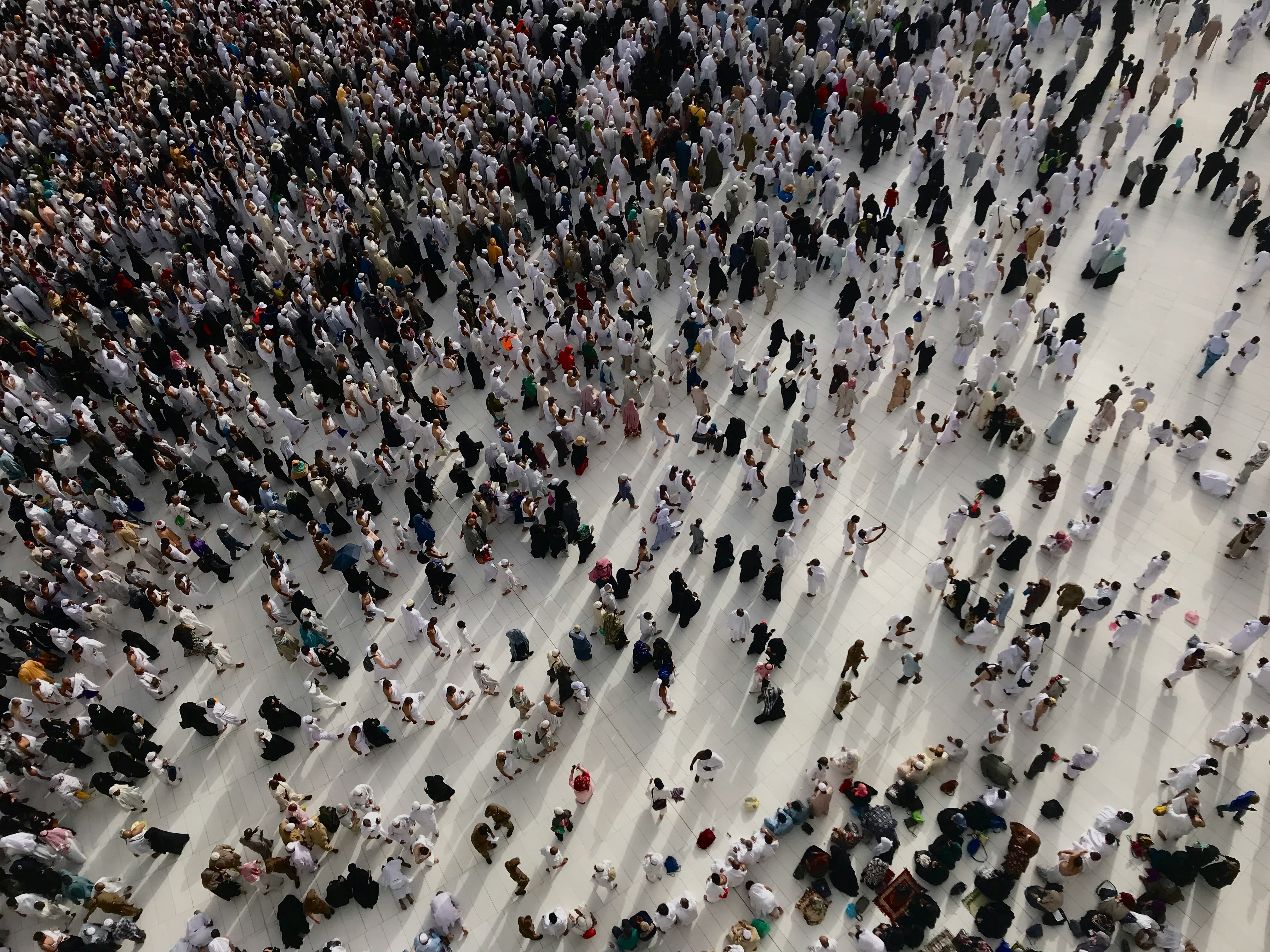
When Jesus speaks the words “This is my body” at the Last Supper, our instincts often lead us to fix our attention on the elements themselves—on the bread, on the cup, on the metaphysical questions that have, for centuries, surrounded them.
And yet I feel there is reason to suspect that such a narrowing of focus, while understandable, may in fact miss the deeper drama unfolding in that upper room.
For the elements are not presented as isolated objects for examination, but as the means through which a person gives himself. The words are not spoken into abstraction, but into relationship. Something is happening there that exceeds the categories of symbol and substance, not because those questions are unimportant, but because they are secondary to the central reality: Jesus Christ is giving himself to his people.
This is what lends the moment its peculiar gravity. Jesus does not stand at a distance from the bread as though it were merely illustrative, nor does he invite his disciples into a detached contemplation of what will soon occur. He speaks in the present tense, collapsing the space between sign and reality, between gesture and gift. “This is my body.”
The words resist reduction. They are neither a simple metaphor nor a crude literalism; rather, they belong to the language of self-offering, the kind of speech that does not merely describe but accomplishes. In speaking, he gives. In giving, he binds himself to those who receive. The bread, then, is not the endpoint of our attention but the threshold of an encounter—a place where Christ meets his followers and draws them into communion with his life.
Yet perhaps the more unsettling observation to me is this: when Jesus utters these words, his body is already present. He is there among them, reclining at the table, breaking bread with hands they have seen heal the sick and calm the sea. The incarnation has not been suspended for the sake of symbolism. And still, he says, “This is my body.” One begins to sense that the phrase cannot be contained within a single referent. It stretches, as it were, to include not only the body that will be given on the cross, but the manner in which that life will continue to be present among his people. Something new is being constituted in that moment—not a replacement of his presence, but an extension of it.
For the disciples gathered around the table are not merely witnesses to an event; they are being formed into a reality. What sits there in that room is, in one sense, a collection of fragile and often bewildered individuals—men who will misunderstand, scatter, and, in at least one case, betray.
And yet, in another sense, something far more enduring is taking shape. They are being drawn together into a fellowship that is defined not by temperament or affinity, but by participation in the life of Christ himself. The meal is not only an act of remembrance in advance; it is an act of formation. They are becoming, though they do not yet fully grasp it, his body.
This is why I think it is insufficient to imagine the disciples as passive recipients of a sacred ritual that will later be repeated in more controlled and reverent settings. The scene is far more dynamic, and far more demanding.
As they receive the bread, they are not only being nourished; they are being implicated. The life that is given to them is the same life that will call them outward—into proclamation, into suffering, into the slow and often costly work of love. The table is not an escape from the world, but the beginning of a deeper engagement with it. It is there that they are drawn into the self-giving movement of God’s love, a movement that will not leave them unchanged.
In this light, the phrase “This is my body” begins to unfold with a double resonance. It speaks, unmistakably, of Christ’s life given for the world—his body broken, his blood poured out. But it also gestures toward the community that is being shaped through that gift, a community that will, in time, bear his presence into places he himself will no longer physically walk. The body of Christ is both what is given and what is being formed. It is received at the table, and it becomes visible in the lives of those who rise from it.
There is, then, a kind of quiet commissioning embedded within the meal. Jesus does not announce it in the language of strategy or program, nor does he burden his disciples with a fully articulated plan. Instead, he gives them himself, trusting that in receiving him they will be drawn into his way of being in the world. They will become, by grace rather than by effort alone, participants in his ongoing work. What begins at the table will continue in their preaching, their suffering, their perseverance, and even in their failures—redeemed and gathered back into the life of the one who first gave himself to them.
And so, when we hear those same words spoken in our own time—“This is my body”—we are not merely being invited to look backward, as though the meaning of the meal were confined to a distant past. We are being drawn into the same living reality. We receive what we cannot produce. We encounter the presence of Christ not as an idea, but as a gift.
And, perhaps most uncomfortably, we are reminded that this gift does not leave us as we are. It gathers us into a people, binds us to one another, and sends us into the world as those through whom the life of Christ is, however imperfectly, made known.
The question, then, is not only what we believe about the bread, important though that is. It is whether we are willing to recognize what Christ is doing in and through those who receive it. For in the giving of himself, he continues to form a body—not only on the table, but in the world.