
Improvising My Prayers

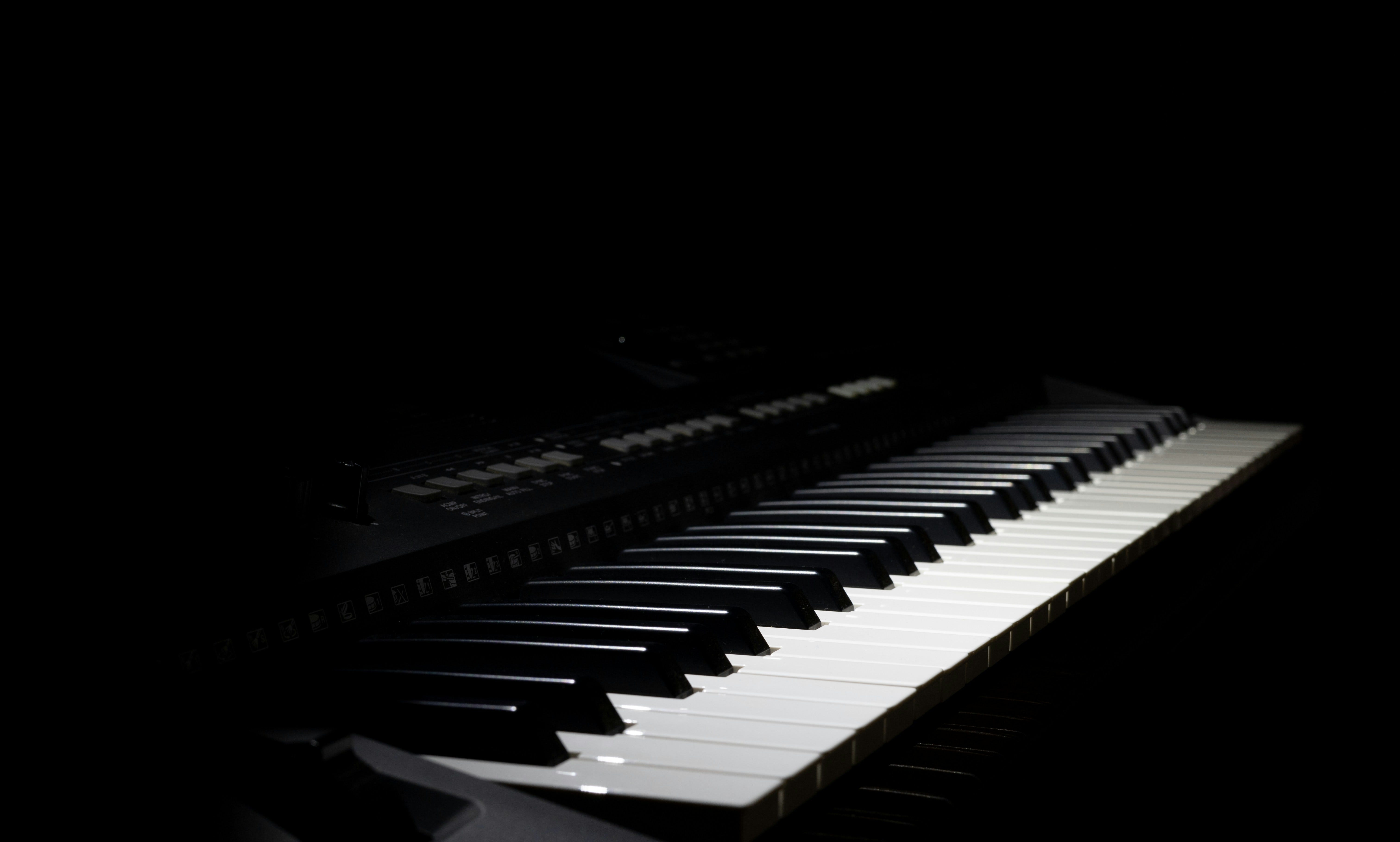
I’m a piano player by conviction—not by profession. I didn’t major in music. I don’t play concerts. I’m not even great at sight-reading. But I’ve spent much of my life with my hands on a keyboard, finding melodies by ear, feeling my way around chords, listening for what comes next.
I’m also a Christian. And in recent years, I’ve come to realize that the way I play piano—mostly improvising, mostly in private—isn’t just a hobby or a habit. It’s a form of prayer.
When I sit down to play, most of the time I’m not reading sheet music. I’m responding. Listening. Waiting. Sometimes a familiar hymn shows up in a new key or with unexpected harmonies. Sometimes it’s a single phrase on repeat that opens up into something I didn’t expect. Sometimes I just linger on one note or chord because it feels like enough. These moments, for me, are deeply spiritual. They are how I meditate. They are how I pray.
Music as Meditation
The Christian tradition doesn’t often talk about improvisation as a spiritual discipline, but maybe it should.
I recently came across a beautiful phrase describing improvisation as “a form of prayerful dialogue.” The idea is that when we improvise—especially in a sacred or worshipful mindset—we're not just making noise. We're participating in something bigger. We’re listening to the Spirit. We’re responding to the moment. We’re co-creating with God.
Some thinkers have even described jazz as a metaphor for life with the Spirit. In jazz, you have to pay attention. You can’t control everything. You offer what you have, and you trust that it will be met—by other musicians, by the room, by the moment itself. That posture—of openness, of faith, of humility—is the same one we’re invited to bring into our spiritual lives.
Samuel Wells, an Anglican priest and theologian, has written beautifully about the spiritual wisdom of improvisation. In his book Improvisation: The Drama of Christian Ethics, Wells explores how faithful living isn’t about following a rigid script—it’s about being formed deeply enough in the Christian story that we can respond creatively and faithfully in the moment. He borrows the idea of “Yes, and…” from improvisational theater, where actors learn to accept what is given to them in a scene and then build upon it, rather than shutting it down. While Wells is talking about ethics rather than music, his insights about improvisation resonate with how I approach prayer: not as a fixed performance, but as a faithful, Spirit-led response in the moment.
For Wells, this improvisational posture reflects the way Jesus lived: embracing interruptions, responding to people with compassion, and stepping into the unexpected with trust. In our lives, too, we’re invited to say “yes” to what God gives us—and then add our own faithful, Spirit-filled response.
Everyday Improvisers
You don’t have to be a musician to pray this way.
Improvisational prayer can take many forms. Maybe it’s sitting down with a journal and writing a letter to God that starts as a complaint and turns into praise. Maybe it’s walking a familiar trail and asking God to speak through the trees and birds and breezes. Maybe it’s cooking dinner with intention, letting the act of nourishing others become an offering.
Here are a few examples of what I mean:
Writing – Freewriting a psalm or lament with no plan, no edits.
Cooking – Letting go of a recipe and cooking as a sacred, sensory offering of love.
Drawing or painting – Letting your hands move with prayerful freedom, without concern for perfection.
Dancing – Moving your body in response to music as a way to pray with your whole being.
Singing – Making up a simple melody and singing scripture or a single word like “mercy” or “thank you.”
In each of these, the goal isn’t performance. It’s presence.
Try It
So, if you’re musical—grab your instrument. Sit with God. Don’t worry about how it sounds. Just start. Play a note. Then another. Listen.
And if you’re not musical? That’s okay. God isn’t grading your technique. Find something you love, something that feels alive, and let that be your canvas for prayer. Give yourself permission to respond, to explore, to play.
You might be surprised at how close he feels when you stop trying to be impressive and just start being present.
I love this and how you made it practical. This is not the way my mind typically works, but I love the idea of letting go and resting in His presence and letting your mind focus on Him. Thanks for sharing.